
Barefoot Doctor's Journal
Take control of your health with this guide to natural health and healing. Get expert advice to help you alleviate pain and live healthy naturally. Access to tools, information and opportunities.
Take control of your health
For 5000 years Traditional Chinese Medicine has help people to relieve pain and achieve a healthy longevity naturally.
A comprehensive guide to natural health and healing, the Barefoot Doctor’s Journal seeks to empower it's readers to take control of their own health, find their own inspiration, help create healthier communities and share the adventure with whoever is interested. Internationally recognized experts in the fields of healthy aging and Traditional Chinese Medicine, the Living Younger Longer Institute has helped hundreds of people each year to live healthy naturally.
News You Can Use!
Providing members with the latest scientific research on the ancient healing secrets of Traditional Chinese Medicine. Get information, access to tools, and enjoyable opportunities for a lifetime of active adventure!
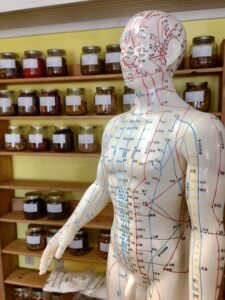
Acupuncture and the Latest Research
Research has shown that acupuncture may be helpful for several pain conditions, including back or neck pain, knee pain associated with osteoarthritis, and postoperative pain. There’s also evidence that acupuncture may help relieve seasonal allergy symptoms, stress incontinence in women, and nausea and vomiting associated with cancer treatment.
Acupuncture is a technique derived from traditional Chinese medicine in which practitioners insert fine needles into the skin to treat health problems. In the United States, it is most commonly used for pain, such as back, neck, or joint pain. The needles may be manipulated manually or stimulated with small electrical currents (electroacupuncture). Acupuncture has been in use in some form for at least 2,500 years. It originated from traditional Chinese medicine but has gained popularity worldwide since the 1970s.
What is acupuncture used for?
National survey data indicate that in the United States, acupuncture is most commonly used for pain, such as back, joint, or neck pain.
What does research show about the effectiveness of acupuncture for pain?
Research has shown that acupuncture may be helpful for several pain conditions, including back or neck pain, knee pain associated with osteoarthritis, and postoperative pain. It may also help relieve joint pain associated with the use of aromatase inhibitors, which are drugs used in people with breast cancer.
An analysis of data from 20 studies (6,376 participants) of people with painful conditions (back pain, osteoarthritis, neck pain, or headaches) showed that the beneficial effects of acupuncture continued for a year after the end of treatment for all conditions except neck pain.
According to the World Health Organization, acupuncture is used in 103 of 129 countries that reported data.
Read more for the research on specific types of pain
(more…)
Coping with Holiday Stress
Stress is a physical and emotional reaction that people experience as they encounter challenges in life. When you’re under stress, your body reacts by releasing hormones that produce the “fight-or-flight” response. Your heart rate, breathing rate, and blood pressure go up, your muscles tense, and you sweat more. Occasional stress is a normal coping mechanism. However, long-term stress (also called chronic stress) may contribute to or worsen a range of health problems including digestive disorders, headaches, sleep disorders, and other symptoms. Stress may worsen asthma and has been linked to depression, anxiety, and other mental illnesses.
There is no drug to cure stress. But we do have access to a built-in “stress reset button.” It’s called the relaxation response. In contrast to the stress response, the relaxation response slows the heart rate, lowers blood pressure, and decreases oxygen consumption and levels of stress hormones.

Some people use psychological and physical approaches, such as yoga, mindfulness, or relaxation techniques, to release tension and to counteract the ill effects of stress.
Creating the relaxation response through the use of relaxation techniques can counteract the negative effects of stress. There is evidence that relaxation techniques can reduce blood pressure, inflammatory cytokines, and oxidative stress, as well as improve glycemic control in people with type 2 diabetes.
Read more for resources specific relaxation techniques and the evidence behind how they work to help create a stress-free holiday season.
(more…)
How To Make Sense of a Scientific Journal Article
When you want to find out about new findings from medical research, it may help to go to the source—the scientific journal article in which the new research was published. As part of Health Literacy Month, we have launched a new tool to help you navigate and understand scientific journal articles.
The “How To Make Sense of a Scientific Journal Article” tool will help you learn about the information you can find in each section of the article, questions you can ask to help you better understand a study’s results, and more!
Overview
Almost every day, new findings from medical research and studies about possible treatments and practices are published in scientific journals. Some may include complementary health approaches.
These articles often become sources for news stories, and they can be important tools in helping you manage your health. To find reliable information, it’s important to go to the source, such as a research study in a scientific journal. But sometimes finding scientific journal articles, understanding the studies, and interpreting the results can be challenging.
Read more for guidelines to consider that can help you make sense of a health research study.
(more…)
Complementary Health Approaches for Chronic Pain
This article summarizes current scientific evidence about the complementary health approaches most often used by people for chronic pain, including fibromyalgia, headache, irritable bowel syndrome, low-back pain, neck pain, osteoarthritis, rheumatoid arthritis, and cancer pain.
The scientific evidence to date suggests that some complementary health approaches may provide modest effects that may help individuals manage the day-to-day variations in their chronic pain symptoms. While some complementary approaches do show modest benefit, the amount and quality of evidence varies depending on the approach and pain condition.
What the Science Says:
A 2018 review by the Agency for Healthcare Research and Quality (AHRQ) found that acupuncture was associated with slightly greater effects on chronic low-back pain and function at 1 to 6 months when compared with controls (i.e., simulated acupuncture or usual care).
Complementary Health Approaches for Chronic Pain
Pain Conditions and Summary of Current Research
Low-Back Pain
There’s low- or moderate-quality evidence that a variety of mind and body practices, including acupuncture, electromyography biofeedback, low-level laser therapy, mindfulness-based stress reduction, progressive muscle relaxation, spinal manipulation, tai chi, and yoga, may be helpful for chronic low-back pain. There’s low-quality evidence that acupuncture, massage therapy, and spinal manipulation may be helpful for acute low-back pain. Preparations of the herb cayenne, used topically, may help to relieve low-back pain.
Read more about the research on low-back pain
For More Information on research for relief of pain for
- Fibromyalgia
- Irritable bowl syndrome
- Neck Pain
- Osteoporosis Arthritis
- Rheumatoid Arthritis
- Cancer Pain

Music and Health: What You Need To Know
Can music be good for you? Yes, according to a growing body of research. Listening to or making music affects the brain in ways that may help promote health and manage disease symptoms.
Performing or listening to music activates a variety of structures in the brain that are involved in thinking, sensation, movement, and emotion. These brain effects may have physical and psychological benefits. For example, music causes the release of brain chemicals (neurotransmitters and hormones) that can evoke emotional reactions, memories, and feelings and promote social bonds. Music can even affect the structure of the brain. Certain structures in the brain have been found to be larger in musicians than nonmusicians, with particularly noticeable changes in people who started their musical training at an early age.
Increasing evidence suggests that music-based interventions may be helpful for health conditions that occur during childhood, adulthood, or aging. However, because much of the research on music-based interventions is preliminary, few definite conclusions about their effects have been reached. Many reports on the potential benefits of music-based interventions come from observations of individuals or small groups of people. Evidence of this type is valuable for suggesting new ideas, but carefully designed, scientifically rigorous studies of larger numbers of people are needed to provide stronger evidence on whether music-based interventions are effective for specific purposes.
What is music therapy?
Music therapy is a health profession in which music is used within a therapeutic relationship to address physical, emotional, cognitive, and social needs. The term “music therapy” is not a description of a specific type of intervention. Instead, it indicates the education, training, and credentials of the therapist who is delivering the intervention.
Music therapy may involve a variety of different activities, including music improvisation, music listening, song writing, music performance, and learning through music. Music therapists may work in many different settings, such as hospitals, outpatient clinics, nursing homes, senior centers, rehabilitation facilities, or schools.
Some of the music-based interventions described in this fact sheet fit the definition of music therapy, but others do not. For example, music-based interventions that involve listening to recorded music are often delivered by health professionals other than music therapists (such as nurses), and therefore do not fit the definition of music therapy.
You can learn more about music therapy on the website of the American Music Therapy Association.
To learn more about current research on how music-based interventions may help ease pain and anxiety; relieve distress in people with cancer; improve sleep quality in people with insomnia; and improve emotional well-being and quality of life in people with Alzheimer’s disease or other forms of dementia. Read more below.
(more…)