
Barefoot Doctor's Journal
Take control of your health with this guide to natural health and healing. Get expert advice to help you alleviate pain and live healthy naturally. Access to tools, information and opportunities.
Take control of your health
For 5000 years Traditional Chinese Medicine has help people to relieve pain and achieve a healthy longevity naturally.
A comprehensive guide to natural health and healing, the Barefoot Doctor’s Journal seeks to empower it's readers to take control of their own health, find their own inspiration, help create healthier communities and share the adventure with whoever is interested. Internationally recognized experts in the fields of healthy aging and Traditional Chinese Medicine, the Living Younger Longer Institute has helped hundreds of people each year to live healthy naturally.
News You Can Use!
Providing members with the latest scientific research on the ancient healing secrets of Traditional Chinese Medicine. Get information, access to tools, and enjoyable opportunities for a lifetime of active adventure!

Research Findings on Mindfulness
A strong mind and a strong body go together. Healthy activities that fully engage the mind and body are some of the most popular activities in the world today. More enjoyable than activities that are done absentmindedly, activities like tai chi, yoga, meditation, relaxation techniques, and therapies such as massage therapy, and acupuncture all have rich traditions that have held people’s interest for centuries. Mind and body practices are challenging activities or techniques that require some skills and are usually administered or taught by a trained practitioner or teacher. The mind must be fully engaged in the activity for these techniques to work, and that very activation of the full power of mind and body that may explain why they seem to have such a wide variety of health benefits.
Extensive research is being done on mindfulness-based interventions for a variety of health purposes. Let’s look at what some NCCIH-funded studies of mindfulness have shown:
- People who are naturally more mindful report less pain and show lower activation of a specific region of the brain in response to an unpleasant heat stimulus, according to an NCCIH-funded study. The innate ability to be mindful—that is, to pay attention to the present moment without reacting to it—differs among individuals.
- Group sessions of mindfulness-based stress reduction (MBSR) or cognitive-behavioral therapy (CBT) can provide cost-effective treatment for chronic low-back pain, according to NCCIH-funded research.
- A study partially funded by NCCIH showed that mindfulness meditation helps relieve pain by a mechanism that’s independent of opioid neurotransmitter mechanisms in the body. This finding is important because it suggests that mindfulness may act synergistically with other forms of treatment that do rely on opioid signaling.
Anxiety at a Glance
Anxiety is a feeling of worry, nervousness, or fear about an event or situation. It’s normal for people to feel anxious in response to stress. Sometimes, however, anxiety becomes a severe, persistent problem that’s hard to control and affects day-to-day life; if you have this type of problem, you may have an anxiety disorder. About 19 percent of U.S. adults have an anxiety disorder in any given year, and an estimated 31 percent have an anxiety disorder at some time in their lives.
Researchers are examining ways in which complementary and integrative approaches might reduce anxiety or help people cope with it. Some studies have focused on the anxiety that people experience in everyday life or during stressful situations, while others have focused on anxiety disorders.
What the Science Says
Some complementary health approaches may help to relieve anxiety during stressful situations. Read more to get the latest findings on integrative medicine, tai chi, qigong, yoga, meditation, relaxation techniques and music therapy, and their effects on anxiety.
(more…)
On Keeping Your Guard Up
It’s late in the sixth round. Nine more rounds to go yet the fighter is already tired, exhausted in fact. Little by little his right hand begins to lower. Seems o.k., haven’t been hit on that side and he does so need to rest. The coach yells from the corner to “keep your guard up” yet fatigue seems to get the better of him and that’s when the opponent strikes delivering the knockout blow. In traditional Chinese medicine there are many martial metaphors when it comes to fighting pandemic diseases. Apparently the metaphor of the tired fighter letting his guard down is being missed around the country. We are all sick and tired of the whole coronavirus thing, yet we cannot let the fact that we are all so tired that we end up getting sick after all this effort to stay safe. So we need to remind everyone to not let your guard down we have nine more rounds to go to win this fight. For at least the next six months we are going to have to get used to living with the precautions that have been proven effective against this pandemic.
The City of Denver is trying to get ahead of the “corona fatigue”. More and more people are letting their guard down and infection numbers are alarmingly rising, as they are all around the country. We all need to redouble our efforts and there is no better way to reinforce the necessary safety steps than to get everybody, everywhere, wearing masks. This is mostly for behavioral purposes. In behavior change research the only number the human brain really understands is “0”. Nuances about when and where to be socially distant and when to wear masks is lost on people, it quickly degenerates into not doing what we all know we need to do to lower the death rate from this virus.
Read on in this article to see
- City of Denver’s new regulations
- What to do if you do get sick, according to the Mayo clinic
- How to tell COVID, Common Cold and Flu apart. (John’s Hopkins)
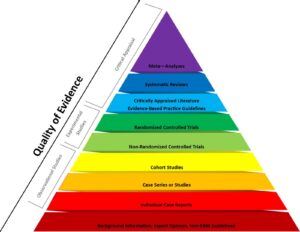
Your Guide to the Science of Health
October is Health Literacy Month—a time to promote the importance of greater understanding of the science of health. Since 1999, organizations around the world have been observing October as Health Literacy Month. The advent of the COVID pandemic has increased the urgency of fundamental science and health education among the public. It’s a time to bring attention to the importance of making health information easy to understand — and making the health care system easier to navigate.
Why is it important to know the science of health? Simply put, because there is a lot of misinformation out there—from anecdotes disguised as evidence to excessive claims made by supplement manufacturers to TV doctors and politicians touting the latest “miracle cure.”
The need for greater health literacy is even greater when it comes to self-care and the use of complementary and integrative health approaches. It can be hard to distinguish excessive claims and unsupported theories from sound, science-based information.
In this article you’ll find tools to help you better understand complex scientific topics that relate to health research so that you can be discerning about what you hear and read and make well-informed decisions about your health. Know the Science features a variety of materials including interactive modules, quizzes, and videos to provide engaging, straightforward content. Learn more about how the Know the Science initiative got started.
So, what are you waiting for? Dive in, and get to know the science.
(more…)
What Science Says About Tai Chi
Tai chi and qi gong are related mind and body practices that originated in China. Both involve specific postures and gentle movements with mental focus, breathing, and relaxation. Tai Chi has turned out to be an ideal exercise during COVID quarantines in that it can be done outside at socially appropriate distances, requires no equipment and has a strong meditation component to help with the stress of it all.
Research findings suggest that practicing tai chi may improve balance and stability in older people and those with Parkinson’s disease, help people cope with fibromyalgia and back pain, and promote quality of life and mood in people with chronic illnesses. Less research has been done on qi gong but some studies suggest it may reduce chronic neck pain (although results are mixed) and pain from fibromyalgia. Qi gong also may help to improve general quality of life. Both also may offer psychological benefits, such as reducing anxiety. NCCIH-funded research has contributed to the understanding of the health effects of tai chi. For example, one study showed that tai chi and physical therapy were equally helpful for knee osteoarthritis and another showed that tai chi has benefits for fibromyalgia symptoms that are similar to or greater than those of aerobic exercise.
(more…)